NK2 Homeobox 5 Antikörper
 (1 Validierung)
Kurzübersicht für NK2 Homeobox 5 Antikörper (ABIN2856166)
Target
Alle NK2 Homeobox 5 (NKX2-5) Antikörper anzeigenReaktivität
Wirt
Klonalität
Konjugat
Applikation
-
-
Kreuzreaktivität
- Human, Maus, Ratte
-
Produktmerkmale
-
Rabbit Polyclonal antibody to Nkx2.5 (NK2 transcription factor related, locus 5 (Drosophila))
Nkx2.5 antibody -
Aufreinigung
- Purified by antigen-affinity chromatography.
-
Immunogen
- Recombinant protein encompassing a sequence within the center region of human Nkx2.5. The exact sequence is proprietary.
-
Isotyp
- IgG
-
-
anti-NK2 Homeobox 5 (NKX2-5) (Internal Region) antibody
Verified NKX2-5 Reaktivität: Human, Maus, Ratte WB, ELISA, IHC Wirt: Ziege Polyclonal unconjugated
anti-NK2 Homeobox 5 (NKX2-5) (AA 1-324) antibodyNKX2-5 Reaktivität: Human WB, ELISA Wirt: Maus Monoclonal 1E4-G5 unconjugated
anti-NK2 Homeobox 5 (NKX2-5) (AA 98-133) antibodyNKX2-5 Reaktivität: Human, Maus WB, IF, FACS, IHC (p) Wirt: Kaninchen Polyclonal RB52360 unconjugated
anti-NK2 Homeobox 5 (NKX2-5) (AA 192-225) antibodyNKX2-5 Reaktivität: Maus, Ratte, Hamster WB Wirt: Kaninchen Polyclonal RB51144 unconjugated
anti-NK2 Homeobox 5 (NKX2-5) (AA 1-130) antibodyNKX2-5 Reaktivität: Human WB Wirt: Maus Monoclonal 3A7 unconjugated
anti-NK2 Homeobox 5 (NKX2-5) (AA 1-130) antibodyNKX2-5 Reaktivität: Human WB, IF, IP Wirt: Maus Monoclonal 3C1 unconjugated
anti-NK2 Homeobox 5 (NKX2-5) (AA 1-130) antibodyNKX2-5 Reaktivität: Human WB, IP Wirt: Maus Monoclonal 4B11 unconjugated
anti-NK2 Homeobox 5 (NKX2-5) antibodyNKX2-5 Reaktivität: Human ELISA Wirt: Maus Monoclonal 2E1 unconjugated
anti-NK2 Homeobox 5 (NKX2-5) (Internal Region) antibodyNKX2-5 Reaktivität: Human, Maus, Ratte WB, ICC, IF Wirt: Kaninchen Polyclonal unconjugated
anti-NK2 Homeobox 5 (NKX2-5) (AA 300-324) antibodyNKX2-5 Reaktivität: Human, Affe WB, IHC, IHC (p) Wirt: Kaninchen Polyclonal unconjugated
-
-
Applikationshinweise
- WB: 1:500-1:3000. ICC/IF: 1:100-1:1000. IHC-P: 1:100-1:1000. Optimal dilutions/concentrations should be determined by the researcher. Not tested in other applications.
-
Kommentare
-
Validation: Comparison
-
Beschränkungen
- Nur für Forschungszwecke einsetzbar
-
-
- by
- Cantù Lab, Gene Regulation during Development and Disease, Linköping University
- No.
- #104602
- Datum
- 01.03.2026
- Antigen
- NKX2-5
- Chargennummer
- 44986
- Validierte Anwendung
- Cleavage Under Targets and Release Using Nuclease
- Positivkontrolle
- Anti H3K4me3 (ABIN6971977)
- Negativkontrolle
Guinea Pig anti-Rabbit IgG (Heavy & Light Chain) Antibody - Preadsorbed (ABIN101961)
- Bewertung
Passed. ABIN2856166 allows for NKX2-5 targeted digestion using CUT&RUN in human neuroendocrine cancer cells.
- Primärantikörper
- ABIN2856166
- Sekundärantikörper
- Full Protocol
- Organoid dissociation into single cells and nuclear extraction. Harvest 200,000 neuroendocrine cancer (NEC) cells per sample. Collect cells in PBS with 0.1% BSA.
- Centrifuge cell solution 5 min at 400 x g at RT. Remove the liquid carefully.
- Gently resuspend cells in 1 mL of Nuclear Extraction Buffer (20 mM HEPES-KOH pH 8.2, 20% Glycerol, 0.05% IGEPAL, 0.5 mM Spermidine, 10 mM KCl, 1x PMSF).
- Pellet the nuclei at 800 x g for 5 min. Repeat the NE washes for a total of three washes.
- Resuspend the nuclei in 20 µL NE Buffer per sample.
- Concanavalin A beads preparation
- Prepare 20 µL magnetic Concanavalin A Beads (antibodies-online, ABIN6923139) by three washes with 1 mL Binding Buffer (20 mM HEPES pH 7.5, 10 mM KCl, 1 mM CaCl2, 1 mM MnCl2). Gently resuspend the ConA Beads in a volume of Binding Buffer corresponding to the original volume of bead slurry, i.e. 20 µL per sample.
- Nuclei immobilization – binding to Concanavalin A beads
- Carefully resuspend the nuclei suspension and add 20 µL of the ConA beads in Binding Buffer to the cell suspension for each sample. Let nuclei bind to beads for 15 min at 4 °C with rotation.
- Remove the supernatant and resuspend the beads in 200 µL Wash Buffer per sample and divide the cell suspension into separate 200 µL PCR tubes, one for each sample, replicate, or antibody.
- Remove the supernatant and resuspend the beads in 200 µL of EDTA wash buffer (20 mM HEPES pH 7.5, 150 mM NaCl, 0.5 mM Spermidine, 1x PMSF, 2 mM EDTA).
- Incubate for 5 min at RT.
- Primary antibody binding
- Prepare 200 µL antibody solution (Wash Buffer with 0.025% Digitonin, 2 mM EDTA, and 0.1% BSA) per sample.
- Add 2 µL antibody to the respective tube, corresponding to a 1:100 dilution.
- Incubate at 4 °C overnight.
- Wash with 200 µL of Wash Buffer containing 0.025% Digitonin five times for a total of five washes.
- pAG-MNase binding
- Prepare 200 µL/sample Wash Buffer containing 0.025% Digitonin and 120 ng pAG-MNase/sample. Resuspend beads in pAG-MNase premix.
- Incubate for 45 min at 4 °C.
- Wash with 200 µL of Wash Buffer containing 0.025% Digitonin five times for a total of five washes.
- MNase digestion and release of pAG-MNase-antibody-chromatin complexes
- Place PCR tubes on ice and allow to chill.
- Resuspend in 50 µL of prechilled 2 mM CaCl2 in Wash Buffer mix and incubate on ice for exactly 30 min.
- Add 3 µL EDTA [250 mM]–EGTA [250 mM] STOP-Mix per sample, and transfer prerelease into new tubes.
- Resuspend the remaining beads in 50 µL of 1x Urea Buffer (8.5 M Urea, 100 mM NaCl, 2 mM EGTA, 2 mM EDTA, 0.5% IGEPAL).
- Incubate the samples for 45 min at RT.
- Remove the Urea release from the beads and combine it with the prerelease.
- Inactivate the release by adding 96 µL 10 mM Tris, 2 µL 10% SDS, and 2 µL Proteinase K per sample and incubate at 50 °C for 1 h.
- DNA clean-up and sequencing
- Clean up DNA by standard phenol-chloroform extraction with overnight precipitation.
- Prepare libraries using KAPA HyperPrep Kit with KAPA Dual-Indexed adapters according to the protocol.
- Sequence samples on an Illumina NextSeq 500 sequencer using a NextSeq 500/550 High Output Kit v2.5, 75 cycles, 36 bp PE.
- Alignment
- Trim reads using BBTools BBDuk (BBMap, Bushnell B., sourceforge.net/projects/bbmap/) to remove adapters, artifacts, and repeat sequences.
- Map aligned reads to the hg38 human genome using Bowtie with options
-m 1 -v 0 -I 0 -X 500. - Use SAMtools to convert SAM files to BAM files and remove duplicates.
- Use BEDTools genomecov to produce BedGraph files.
- Organoid dissociation into single cells and nuclear extraction. Harvest 200,000 neuroendocrine cancer (NEC) cells per sample. Collect cells in PBS with 0.1% BSA.
- Anmerkungen
Validierung #104602 (Cleavage Under Targets and Release Using Nuclease)
 Validierungsbilder
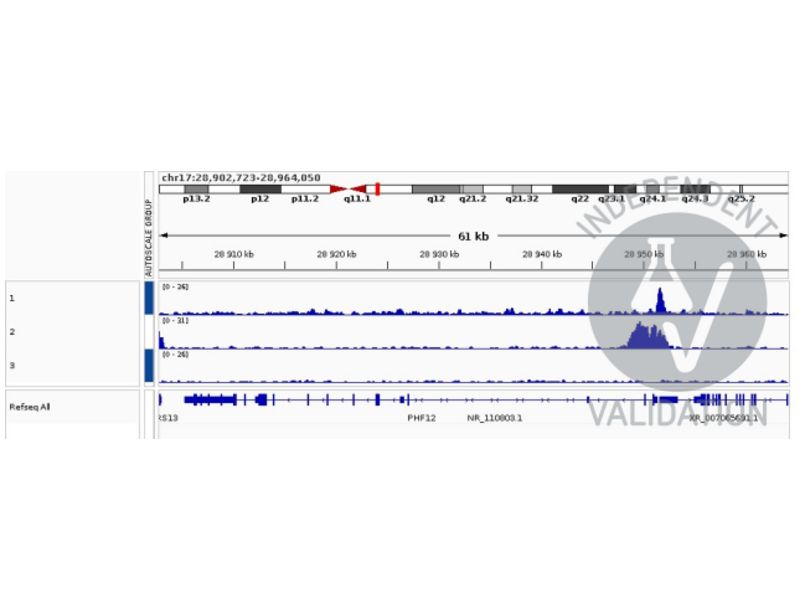
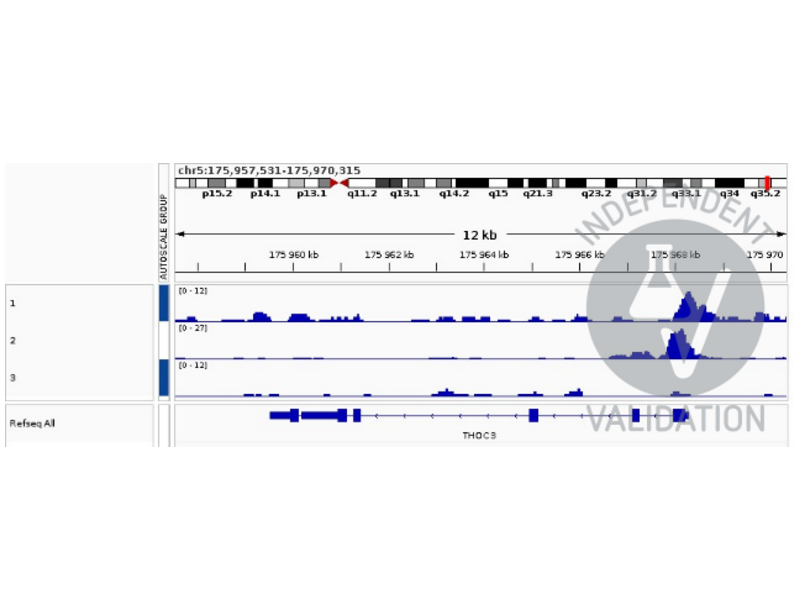
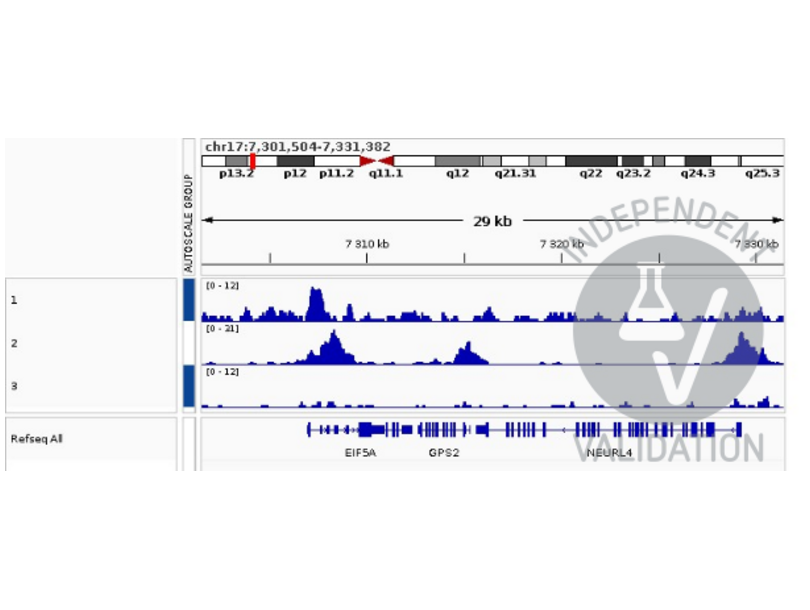
![1. Alignment tracks from CUT&RUN targeting NKX2-5 in neuroendocrine cancer organoids using anti-NKX2-1 antibody ABIN2856166.
2. Positive Control: Alignment tracks from CUT&RUN targeting H3K3me3 in neuroendocrine cancer organoids using anti-H3K4me3 antibody ABIN6971977.
3. Negative Control: Alignment tracks from CUT&RUN targeting and unspecific IgG.]() 1. Alignment tracks from CUT&RUN targeting NKX2-5 in neuroendocrine cancer organoids using anti-NKX2-1 antibody ABIN2856166.
2. Positive Control: Alignment tracks from CUT&RUN targeting H3K3me3 in neuroendocrine cancer organoids using anti-H3K4me3 antibody ABIN6971977.
3. Negative Control: Alignment tracks from CUT&RUN targeting and unspecific IgG.
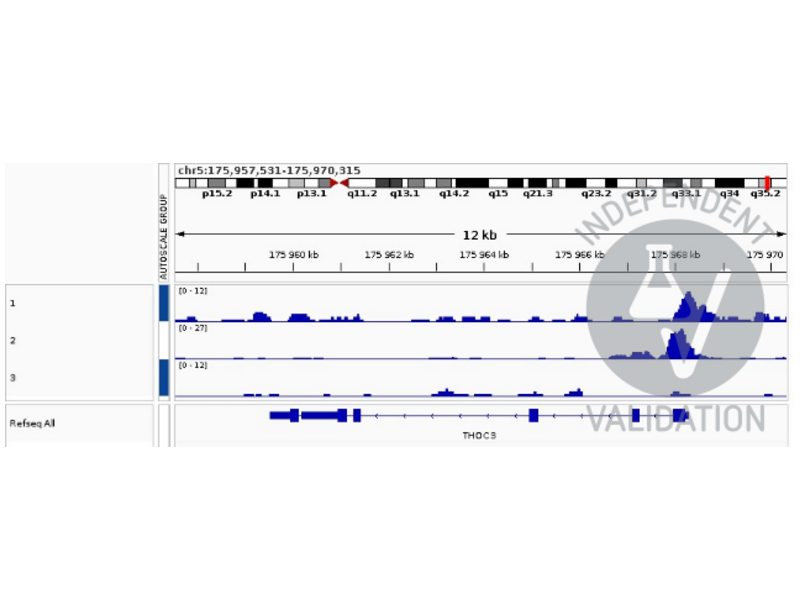
1. Alignment tracks from CUT&RUN targeting NKX2-5 in neuroendocrine cancer organoids using anti-NKX2-1 antibody ABIN2856166.
2. Positive Control: Alignment tracks from CUT&RUN targeting H3K3me3 in neuroendocrine cancer organoids using anti-H3K4me3 antibody ABIN6971977.
3. Negative Control: Alignment tracks from CUT&RUN targeting and unspecific IgG.
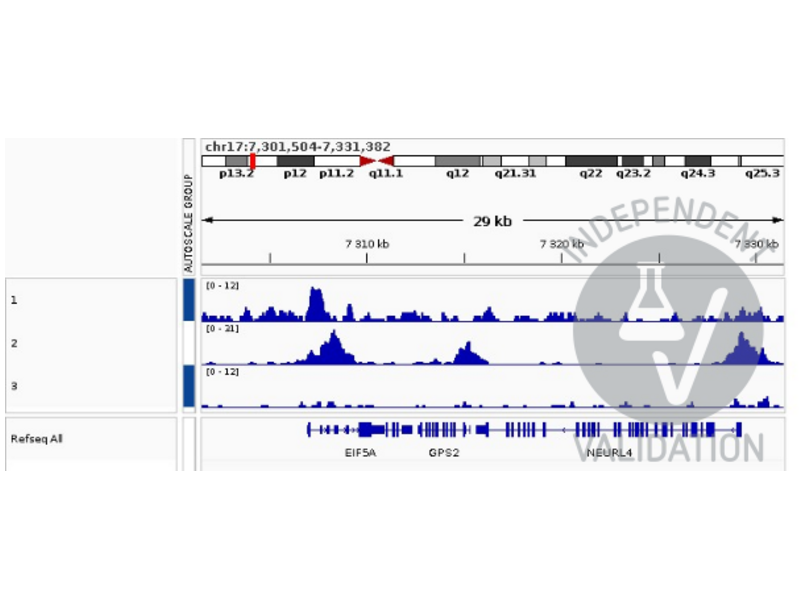
![1. Alignment tracks from CUT&RUN targeting NKX2-5 in neuroendocrine cancer organoids using anti-NKX2-1 antibody ABIN2856166.
2. Positive Control: Alignment tracks from CUT&RUN targeting H3K3me3 in neuroendocrine cancer organoids using anti-H3K4me3 antibody ABIN6971977.
3. Negative Control: Alignment tracks from CUT&RUN targeting and unspecific IgG.]() 1. Alignment tracks from CUT&RUN targeting NKX2-5 in neuroendocrine cancer organoids using anti-NKX2-1 antibody ABIN2856166.
2. Positive Control: Alignment tracks from CUT&RUN targeting H3K3me3 in neuroendocrine cancer organoids using anti-H3K4me3 antibody ABIN6971977.
3. Negative Control: Alignment tracks from CUT&RUN targeting and unspecific IgG.
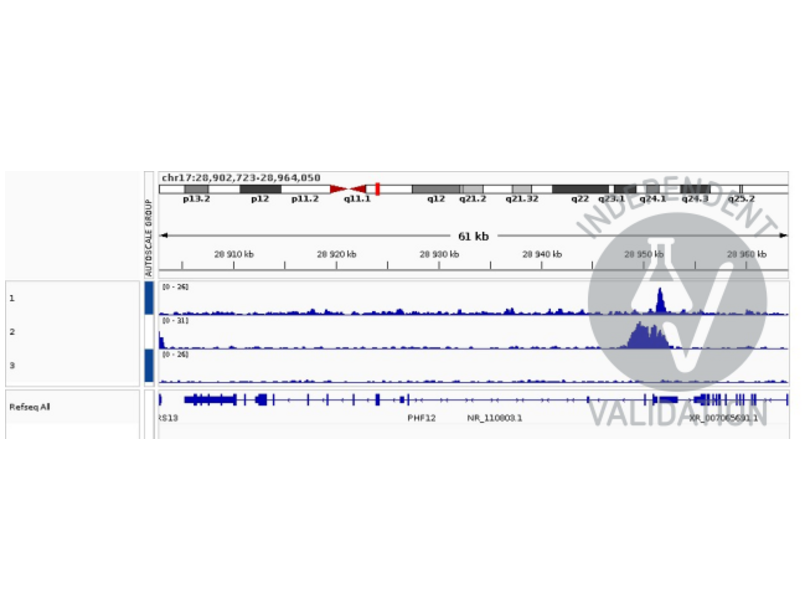
1. Alignment tracks from CUT&RUN targeting NKX2-5 in neuroendocrine cancer organoids using anti-NKX2-1 antibody ABIN2856166.
2. Positive Control: Alignment tracks from CUT&RUN targeting H3K3me3 in neuroendocrine cancer organoids using anti-H3K4me3 antibody ABIN6971977.
3. Negative Control: Alignment tracks from CUT&RUN targeting and unspecific IgG.
![1. Alignment tracks from CUT&RUN targeting NKX2-5 in neuroendocrine cancer organoids using anti-NKX2-1 antibody ABIN2856166.
2. Positive Control: Alignment tracks from CUT&RUN targeting H3K3me3 in neuroendocrine cancer organoids using anti-H3K4me3 antibody ABIN6971977.
3. Negative Control: Alignment tracks from CUT&RUN targeting and unspecific IgG.]() 1. Alignment tracks from CUT&RUN targeting NKX2-5 in neuroendocrine cancer organoids using anti-NKX2-1 antibody ABIN2856166.
2. Positive Control: Alignment tracks from CUT&RUN targeting H3K3me3 in neuroendocrine cancer organoids using anti-H3K4me3 antibody ABIN6971977.
3. Negative Control: Alignment tracks from CUT&RUN targeting and unspecific IgG.
Protokoll
1. Alignment tracks from CUT&RUN targeting NKX2-5 in neuroendocrine cancer organoids using anti-NKX2-1 antibody ABIN2856166.
2. Positive Control: Alignment tracks from CUT&RUN targeting H3K3me3 in neuroendocrine cancer organoids using anti-H3K4me3 antibody ABIN6971977.
3. Negative Control: Alignment tracks from CUT&RUN targeting and unspecific IgG.
Protokoll -
-
Format
- Liquid
-
Konzentration
- 1.21 mg/mL
-
Buffer
- 1XPBS, 20 % Glycerol ( pH 7), 0.025 % ProClin 300
-
Konservierungsmittel
- ProClin
-
Vorsichtsmaßnahmen
- This product contains ProClin: a POISONOUS AND HAZARDOUS SUBSTANCE which should be handled by trained staff only.
-
Lagerung
- 4 °C,-20 °C
-
Informationen zur Lagerung
- Store as concentrated solution. Centrifuge briefly prior to opening vial. For short-term storage (1-2 weeks), store at 4°C. For long-term storage, aliquot and store at -20°C or below. Avoid multiple freeze-thaw cycles.
-
-
- NK2 Homeobox 5 (NKX2-5)
-
Andere Bezeichnung
- NK2 homeobox 5
-
Hintergrund
-
Homeobox-containing genes play critical roles in regulating tissue-specific gene expression essential for tissue differentiation, as well as determining the temporal and spatial patterns of development (Shiojima et al., 1995 [PubMed 7665173]). It has been demonstrated that a Drosophila homeobox-containing gene called 'tinman' is expressed in the developing dorsal vessel and in the equivalent of the vertebrate heart. Mutations in tinman result in loss of heart formation in the embryo, suggesting that tinman is essential for Drosophila heart formation. Furthermore, abundant expression of Csx, the presumptive mouse homolog of tinman, is observed only in the heart from the time of cardiac differentiation. CSX, the human homolog of murine Csx, has a homeodomain sequence identical to that of Csx and is expressed only in the heart, again suggesting that CSX plays an important role in human heart formation.[supplied by OMIM]
Cellular Localization: Nucleus -
Molekulargewicht
- 35 kDa
-
Gen-ID
- 1482
-
UniProt
- P52952
-
Pathways
- Regulation of Muscle Cell Differentiation, Skeletal Muscle Fiber Development
Target
-